Inspiration Strikes | 2025-09-20
My Team
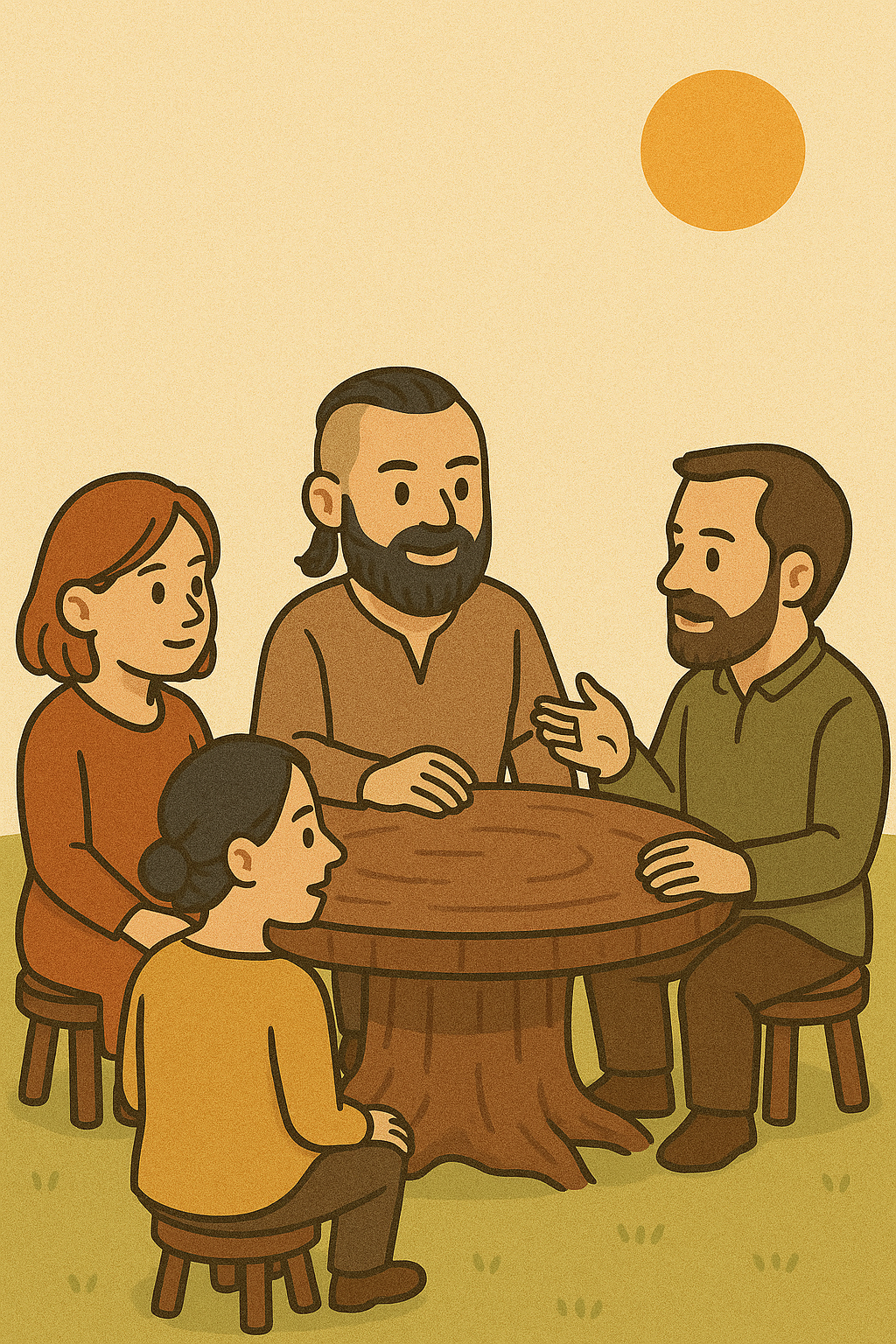
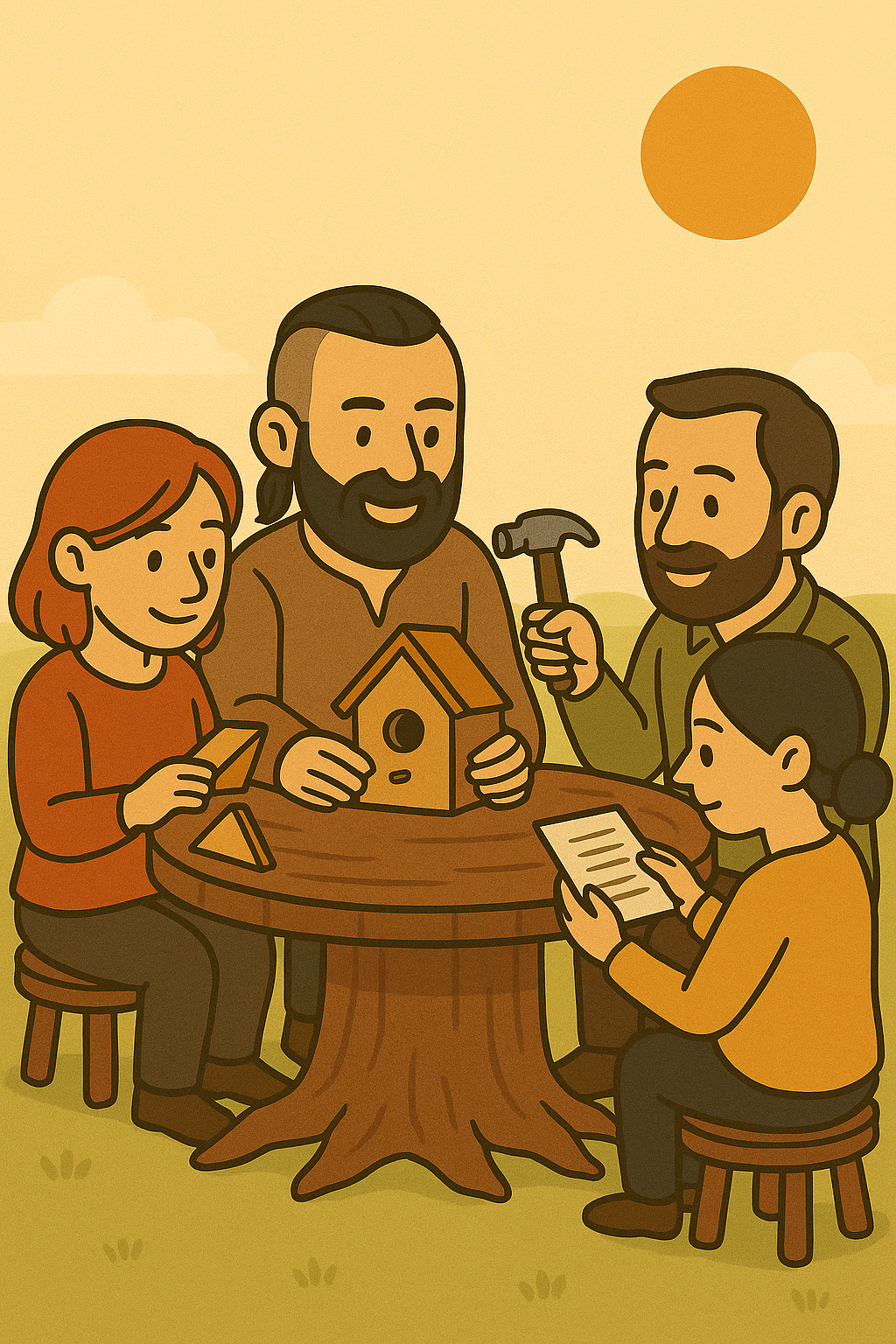
This week, I wanted to take the time and say what an inspiration my own team has been to me. We started out together in our Bachelor's program and have since moved on to our Master's together as well. They started as acquaintances, but have since become friends and family. We have been through a lot together, and I am grateful for each and every one of them. We all push each other to be better, and we hold each other accountable.
We are a team in every sense of the word, and I am proud to be a part of it. I want to tell you all that you should find yourself a team that you can rely on. A team that will push you to be better, and that will hold you accountable. A team that will be there for you through thick and thin. It is not easy to find such a team, but when you do, hold on to them. They will be the ones that will help you reach your goals, and they will be the ones that will celebrate your successes with you.
Andy - You and I have been through a lot together, you are a true friend and brother to me. I am grateful for your support and your friendship. You have been there for me through thick and thin, and I am proud to call you my friend. You're a helluva UI/UX designer, and I can't wait to see what we will create next brother.
Thomas - If hardwork and dedication were a person, it would be you. You are always pushing yourself to be better, and you never give up. I am inspired by your work ethic and your determination. You are a true asset to our team, and I am grateful to have you as a friend. From being a father, a husband, and having a fulltime job, you do not take the easy path my friend, and for that you have my respect and admiration.
Korbin - Animation is not an easy task, but you make it look effortless. Your talent and creativity are unmatched, and I am in awe of your work. You are a true artist, and I am grateful to have you on our team. Your passion for what you do is contagious, and it inspires me to be better. Keep up the great work my friend.
Each and everyone of you are an inspiration to me, and I am grateful to have you on my team. Together, we will achieve great things, and I am excited to see what the future holds for us. Thank you for being a part of my journey, and I look forward to many more adventures together. For those who come after: Find your team, grow together, and succeed together. Only Fools Fight Alone.
Project Reflection
Leaf Cutter: A Post Mortem
Introduction
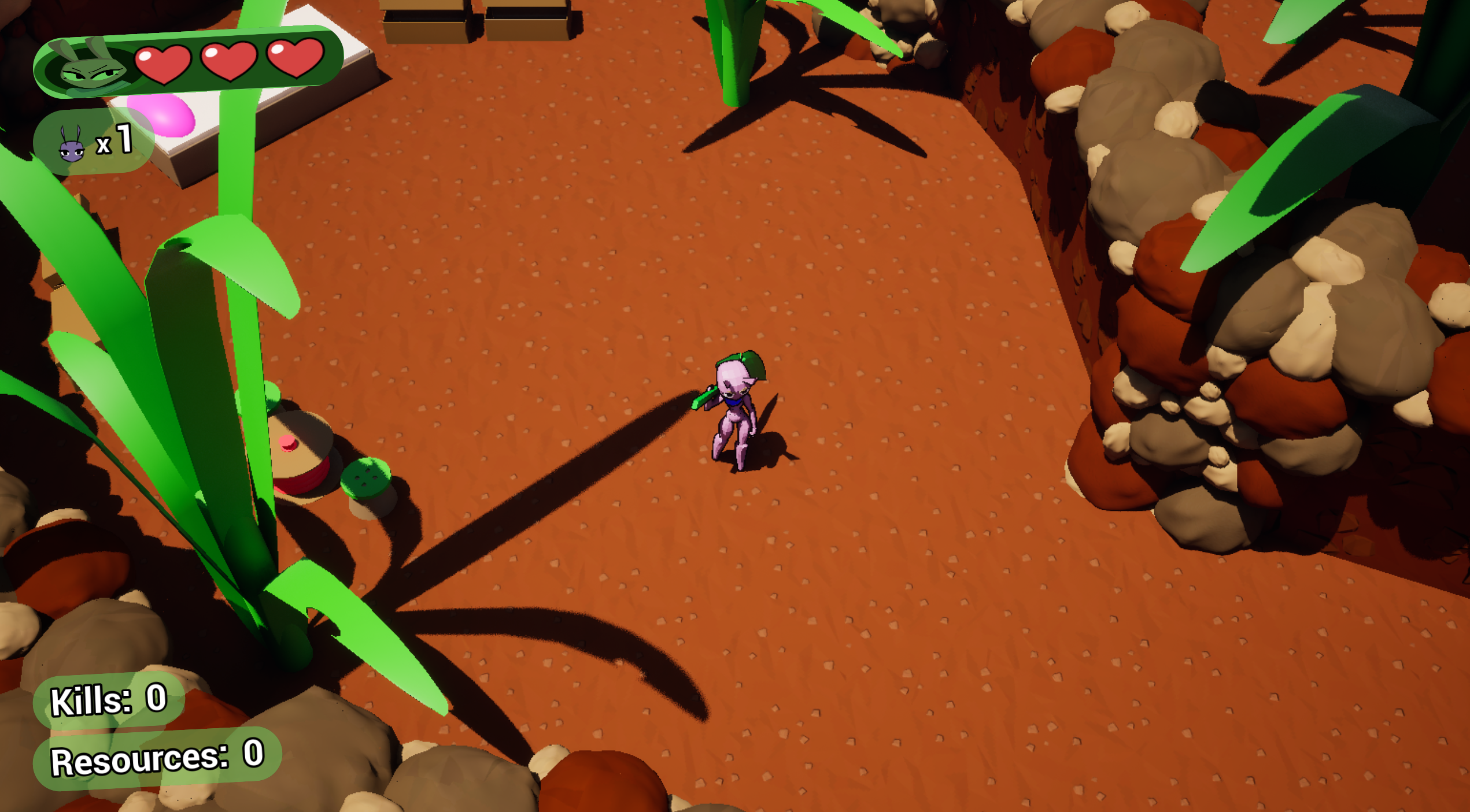
Leaf Cutter follows the adventures of Antonia, the main character of the game as she makes her way through dangerous enemy bug territories in order to gather resources to help protect her home nest. It has elements of a roguelite extraction game loop that brings excitement and risk versus reward when choosing whether to delve deeper into an enemy nest, or to take what you have and leave.
The game itself is being developed in Unreal Engine 5.7, utilizing tools such as Blender, Maya, and ZBrush to produce art for the game. Visual studio code, along with visual scripting in engine have both been used to ensure that the game can run as smoothly as possible.
This month has been a test in leadership, skillsets, but most importantly, communication. There are a lot of smart and creative individuals on this team, and if the stars align just right, this game could be something worth remembering.
Successes and Pros
In just this short month, this game has seen great success in the progression of its systems, enemy mechanics, UI/UX features, and audio. It has gotten a nice solid base to work from and we have iterated quickly to find what does and doesn't work. Ideas flow freely among the team, and this can come with a lot of good meshing and melding of ideas.
With the amount of man power that the project has, and the skillsets that have been put to use, the project has come from placeholders to high fidelity in record speeds. With the low scope and high skill of the individuals working on it, it can be something that is not only playable, but scalable on a developmental and narrative level to ensure more content could be added in the future.
Challenges and Cons
If I were to put it in a phrase, I would say that the biggest con of this month was a lack of attention to detail. And this goes from the very top to the bottom. The lack of direction of a Game Design Document (GDD) makes it difficult to look for "truth" when trying to come up with systems and mechanics. And with the free flowing of ideas, it can come with a lot of great meshing moments, but just as often it will lead to a difference in ideals and creative mindsets which can cause friction when someone feels their ideas are not good enough or won't be implemented.
There had been multiple times where work was overwritten on others because someone could not follow the clearly referenced out directions on how to work with the revision control. It was an expectation that those not only within the Masters Degree program, but those that have been in projects before as students in either a Bachelor or otherwise, to have had some introduction to revision control. This was not the case. We had to spend hours teaching, and reteaching individuals on how to push or pull, only to have to remind them when someone messed it up.
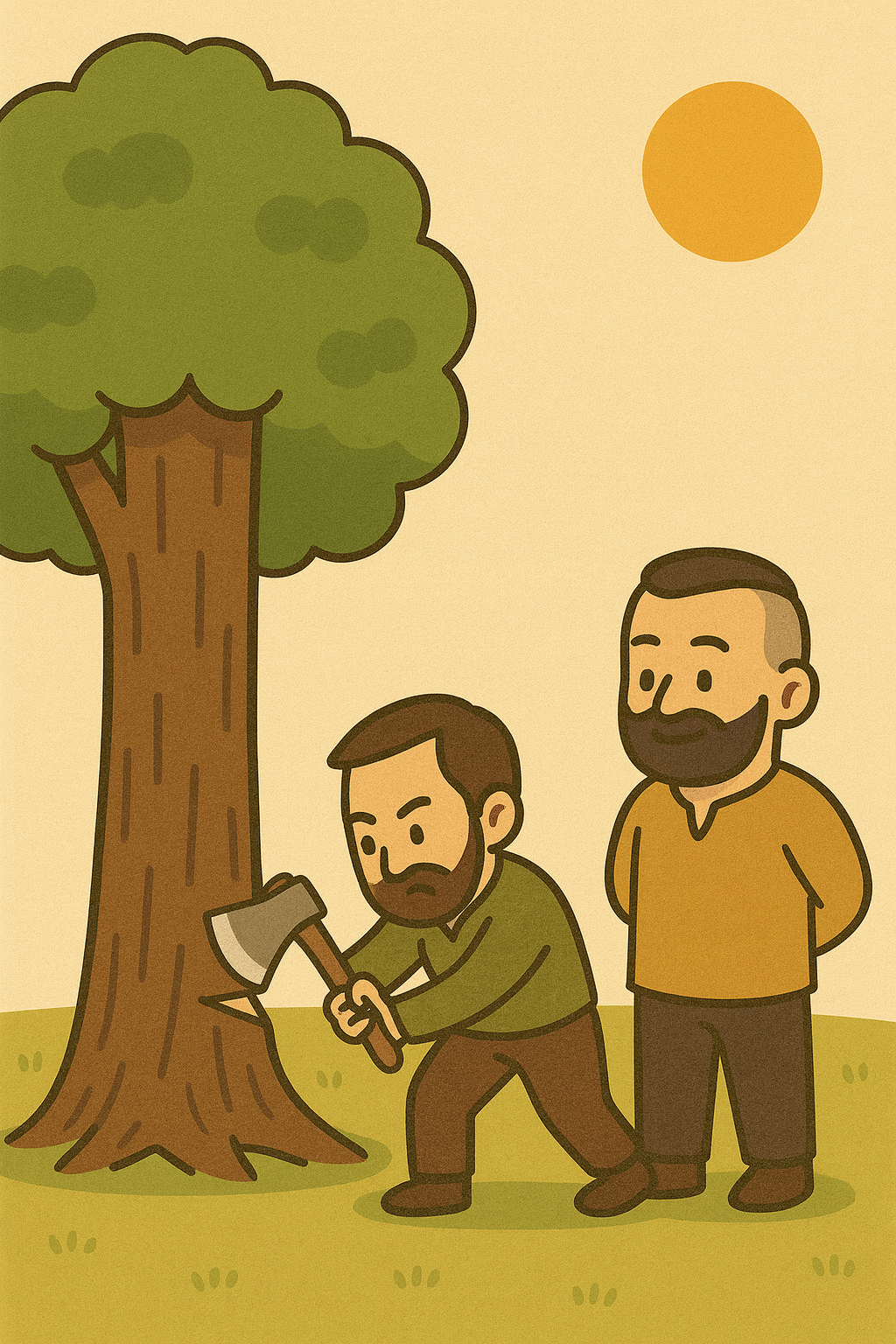
To make matters worse, there was descent amongst the ranks after a couple of weeks, in which an individual after being asked for work, lashed out with threats of both academic and physical nature. This caused a ripple effect throughout the team, but ultimately it seemed to have gotten resolved.
Reflections and Conclusion
The game is good. The team has a really good skillset amongst us. And I think with those combined with the scope and timeframe we have we can produce something that can be truly amazing. I have already made leaps and bounds in my ability to create AI that feel intuitive and challenging while ensuring to put the player first in all regards.
It is interesting to watch the team interact and see the dynamics of everything as more of a background player rather than a leader. It also feels nice to live on my island of AI and not have to worry about the other systems in which they interact. I simply need to make interesting enemies and everyone else does the rest. It is actually quite refreshing, and can see why some people could be swayed to the AAA direction by the sense of ownership of a system. The game has a ways to go, but I think it is a great testament to what we can do as a group.
Project Reflection
Leaf Cutter: A Second Post Mortem
Introduction
Leaf Cutter has moved into its second month of development, and this month felt much heavier than the first. The first month was mostly about getting systems stood up, figuring out what worked, and trying to find the shape of the game. This month was more about seeing if all of those pieces could actually start working together without everything falling apart.
As more gameplay systems, enemies, UI, audio, art, and tasking started coming together, the project became a lot more real. With that came more pressure, more moving parts, and a much higher need for communication and organization. The team had to adapt a lot this month, whether that meant shifting priorities, changing task expectations, or reworking things as new problems came up.
Overall, the project is still moving in a really strong direction. Leaf Cutter is no longer just a collection of ideas and placeholders. It is starting to feel like an actual game, and that is exciting to see.
Successes and Pros
One of the biggest successes this month was how much the team continued to get done even with the workload becoming more intense. There were a lot of changes, a lot of moving parts, and plenty of moments where priorities had to shift, but the team still kept pushing forward. Tasks were completed, systems were improved, and the game continued to grow at a pretty impressive pace.
The flexibility of the team was probably the strongest part of this month. Not everything went exactly according to plan, but people were able to adjust when needed. That is important in game development because things rarely work perfectly the first time. Sometimes a system does not behave how you thought it would. Sometimes a feature needs to be changed because it does not feel good in practice. Sometimes the schedule itself has to bend because the needs of the project change. This month showed that the team is capable of adapting when those things happen.
There was also a lot of progress across multiple areas of the game. Gameplay systems became more connected, art and audio continued to improve the overall presentation, and the game itself started to feel more cohesive. For me personally, it has been nice continuing to work in my own area and seeing how my AI and enemy work fits into the larger project. The enemies are not just isolated mechanics anymore. They are becoming part of the actual player experience, and that makes the work feel more meaningful.
The project still has a lot of talent behind it. There are a lot of people on this team who clearly know how to make good work when they are focused and given clear direction. When everyone is moving in the same direction, the amount of progress that can happen is honestly impressive.
Challenges and Cons
The biggest challenge this month was still communication. Not necessarily because people were not talking, but because talking and communicating are not always the same thing. There were moments where assumptions were made, expectations were not fully understood, or people handled situations in ways that caused more friction than needed.
This is one of those things that becomes more noticeable as a project gets larger. When the game was smaller and everyone was mostly working on separate pieces, communication issues were easier to avoid. But now that everything is becoming more connected, those issues matter more. A missed detail, unclear task, or misunderstood priority can ripple into someone else's work very quickly.
There were also some interpersonal issues that stood out. Nothing that completely stopped the project, but enough to show that communication is still something the team needs to improve on. Strong technical ability is great, and this team has a lot of that, but technical skill can only carry a project so far. At some point, everyone has to be able to communicate clearly, take feedback, ask questions, and not let frustration turn into unnecessary conflict.
Task management also became more important this month. With more work being assigned and more systems depending on one another, it became clear that tasks need to be specific, understandable, and followed through properly. The more vague something is, the easier it becomes for people to either do the wrong thing or assume someone else is handling it. That is not really a failure of effort, but it is something that can slow down production if it is not watched carefully.
Reflections and Conclusion
Overall, I still think Leaf Cutter is in a good place. The game is getting stronger, the team is still producing good work, and the overall direction of the project feels much more solid than it did at the beginning. This month was more intense, but I think that intensity also helped show what the team is capable of when things get more serious.
For me, this month has been another good reminder of how important communication is in game development. It does not matter how good an idea is if it is not explained well. It does not matter how strong a system is if nobody understands how it connects to the rest of the game. And it does not matter how talented a team is if everyone is not working from the same page.
I think the biggest improvement moving forward is to keep strengthening the processes that are already working while tightening up communication where it still needs help. The team does not need to reinvent everything. A lot of what we are doing is working. But we do need to make sure that expectations are clearer, feedback is handled better, and everyone feels comfortable asking questions before a misunderstanding becomes a problem.
Leaf Cutter has a lot of potential. The foundation is there, the talent is there, and the game is starting to feel like something that could genuinely be fun and memorable. If the team had another month or potentially 2 to work on the game some more, I think that it could be a really good game.